
Balustrades and handrails rarely receive the attention they deserve. Most people focus on the staircase itself — the treads, the timber, perhaps the overall shape. Yet the balustrade is what you see at eye level. The handrail is what you physically touch every single day.
Get these elements right and the entire staircase feels intentional. Get them wrong and even a well-built staircase can feel awkward, or worse, unsafe.
Choosing balustrades and handrails is where style genuinely meets function. It’s not purely decorative, and it’s certainly not purely practical. It sits somewhere in the middle.
Before discussing materials or finishes, it’s worth acknowledging the regulations that shape your choices.
In England, staircase guarding falls under Approved Document K of the Building Regulations. These rules dictate minimum balustrade heights and spacing. For domestic properties:
Guarding should be at least 900mm high on stairs and landings.
Openings must not allow a 100mm sphere to pass through.
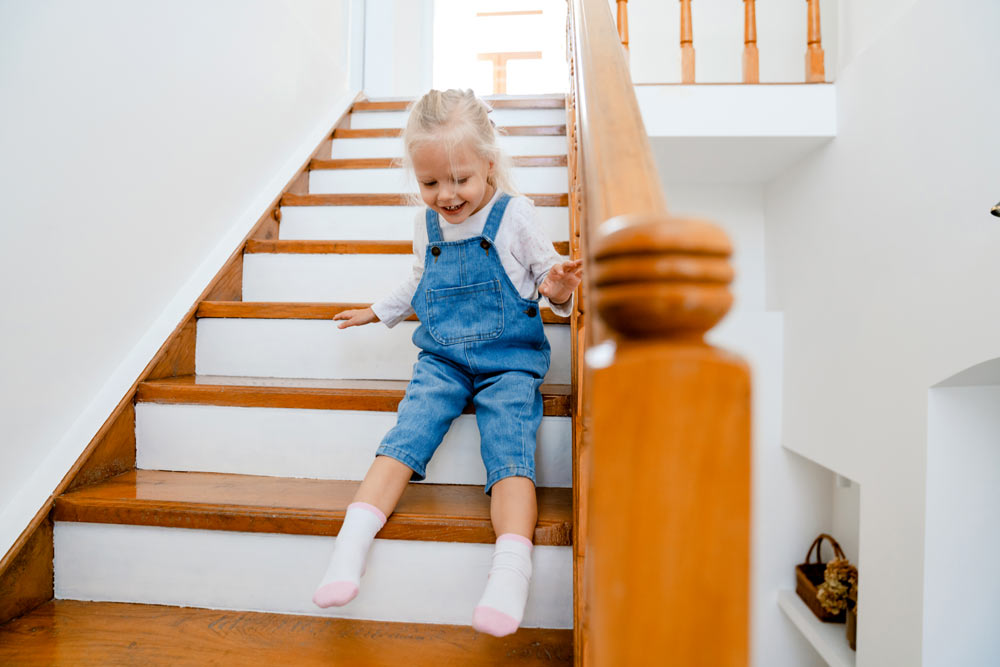
That 100mm rule is particularly important in homes with young children. It applies to vertical spindles, glass panels, cable systems and any other infill detail.
Handrails also have height requirements — typically between 900mm and 1000mm above the pitch line — and must be easy to grip.
These standards aren’t suggestions. They’re there to prevent falls and injuries. Design choices must work within this framework.
Timber remains the most popular material in UK homes, and for good reason.
It’s warm, versatile and adaptable. Whether you’re working with oak, ash, walnut or painted softwood, timber can be shaped to suit both traditional and contemporary schemes.
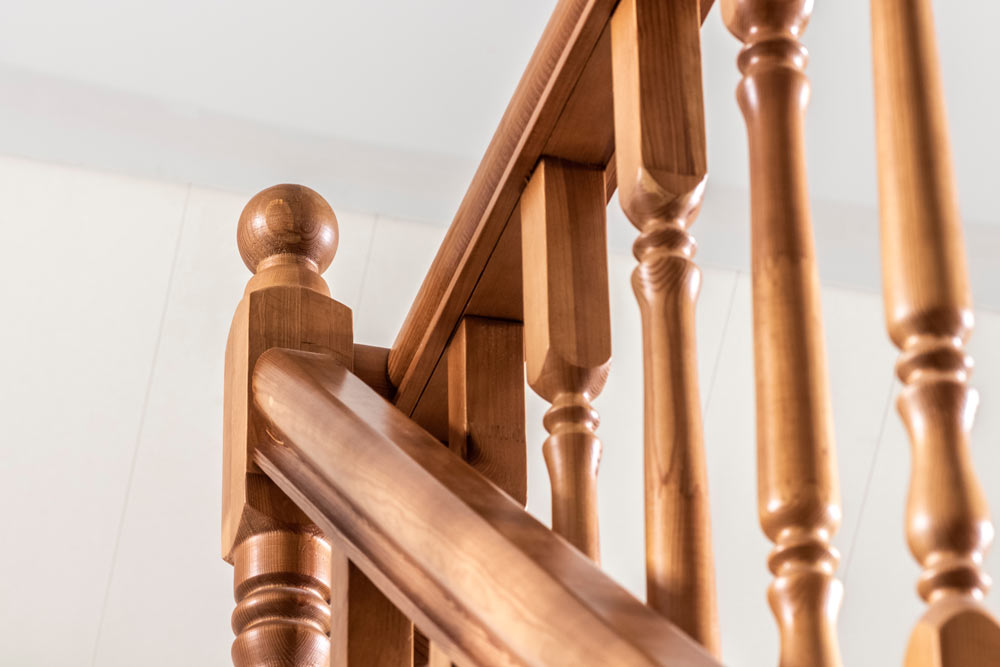
Turned spindles bring a decorative element to staircases. They suit Victorian terraces, Edwardian homes and properties with period features.
Paired with a shaped handrail and detailed newel posts, they create a sense of craftsmanship. In some cases, they can verge on ornate, so proportion matters. In smaller hallways, heavy detailing may feel overwhelming.
For a cleaner look, square balusters are often preferred. Stop-chamfered designs — essentially square spindles with subtle edge detailing — bridge the gap between classic and modern.
They’re straightforward without being stark. In many homes, this middle ground feels appropriate.
Glass has grown increasingly popular, particularly in modern renovations and extensions.
It allows light to travel through the staircase area, which can make a noticeable difference in darker hallways. In open-plan homes, glass balustrades reduce visual bulk and maintain sightlines.
There are two main approaches:
Framed glass panels, supported by timber or metal posts.
Frameless systems, fixed with clamps or channels for a minimalist effect.
Frameless glass appears sleek, though it requires precision installation and quality materials. It also shows fingerprints — something to consider in busy households.
Glass may suit contemporary spaces beautifully. In older properties, however, it can feel slightly out of context unless other elements have been modernised too.
Metal offers a broad design spectrum.
At one end, you have decorative wrought iron with scrollwork and curves. This suits period homes or properties seeking a touch of elegance.
At the other end sits powder-coated steel with simple vertical bars or even horizontal lines, often in matte black. This leans more industrial and works well in loft-style interiors or modern builds.
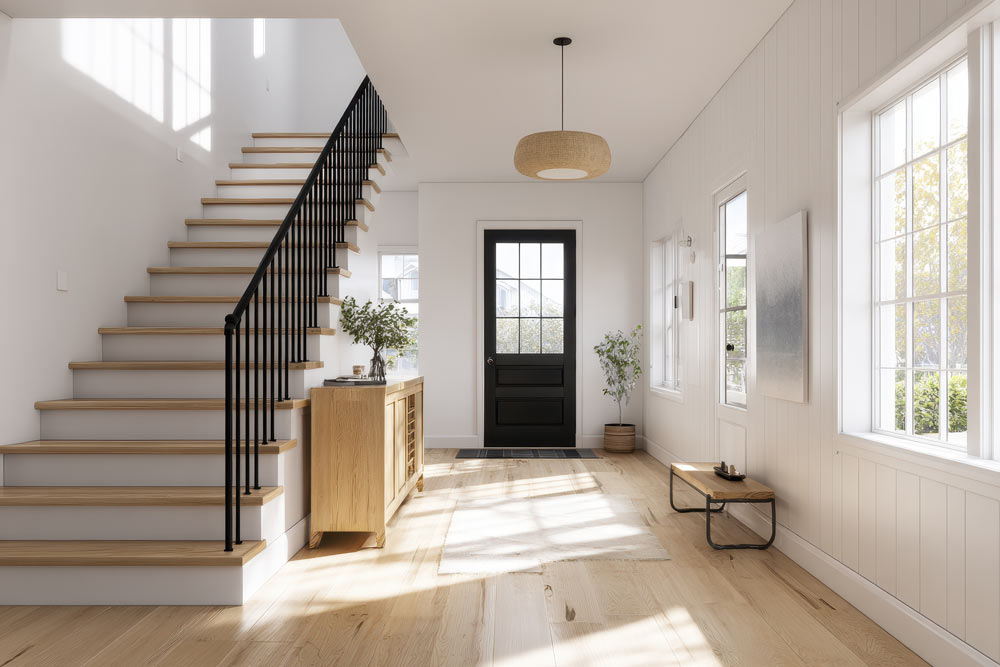
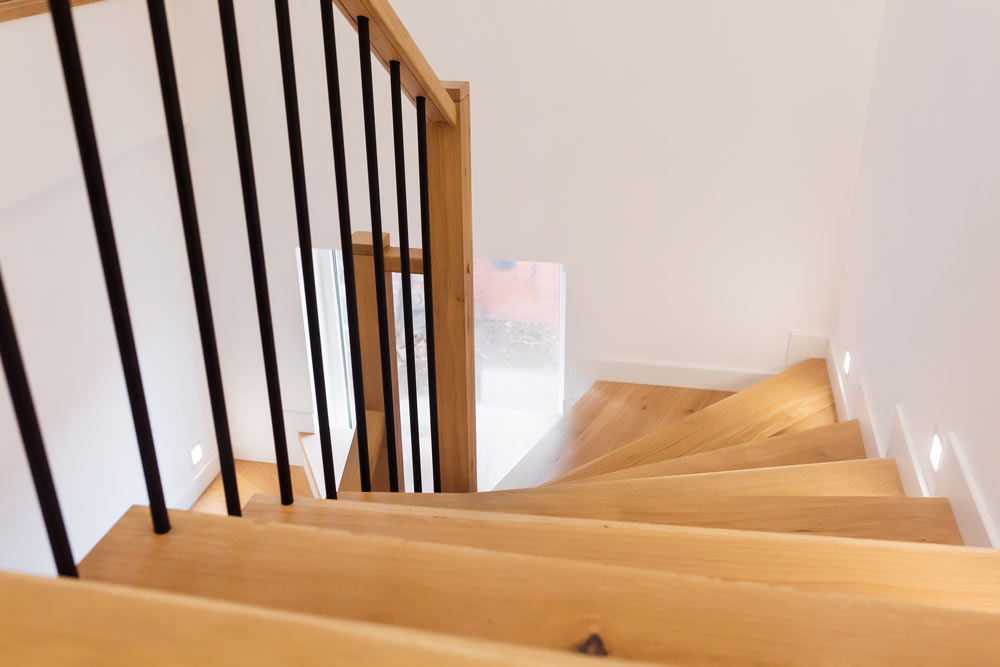
Black metal balustrades paired with oak handrails are particularly popular. The contrast feels crisp but still warm.
One thing worth considering: horizontal metal bars, while visually appealing, can encourage climbing in homes with small children. It’s not necessarily a compliance issue, but it’s a practical one.
Handrails are sometimes treated as secondary, but they’re arguably the most functional element of the staircase.
A handrail should feel comfortable in the hand. That may sound obvious, but overly square or excessively wide profiles can be awkward to grip.
Rounded or mopstick-style handrails suit classic interiors. They feel substantial and familiar.
In more decorative staircases, handrails may include shaped under-rails or moulded details. These work well in period settings but can appear fussy in minimalist homes.
Modern handrails tend to be simpler — often square or gently rounded with clean edges.
Slimmer profiles can look elegant, but there’s a balance to strike. Too thin and they may feel insubstantial. Too chunky and they dominate visually.
It’s always worth physically holding a sample before committing. The tactile experience matters more than you might expect.
Finish plays a huge role in how balustrades and handrails integrate with the rest of the home.
White or neutral-painted spindles remain common in UK homes. They reflect light and keep staircases feeling bright.
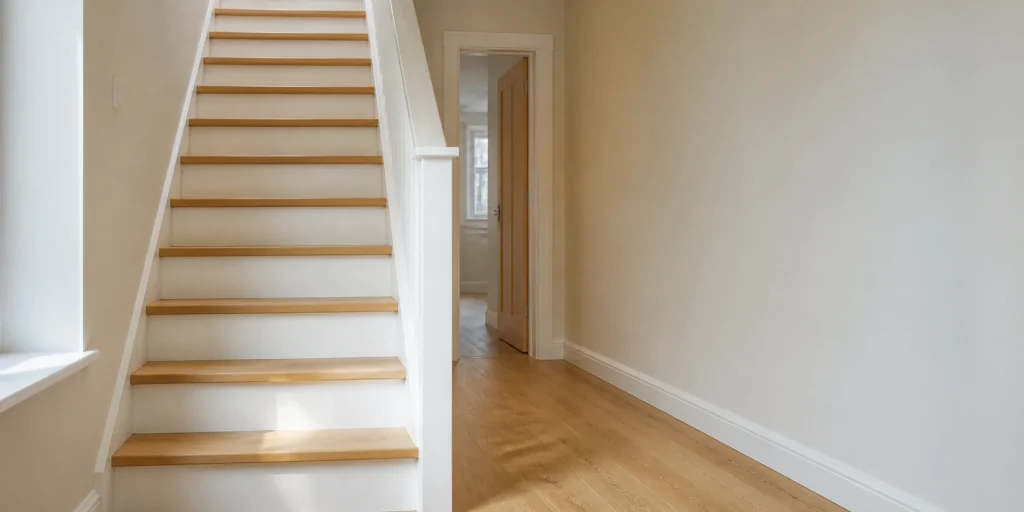
Paired with timber treads and handrails, painted balustrades offer contrast without overpowering the space.
If your windows and internal doors are painted, carrying that finish into the staircase can create cohesion.
Exposed oak or hardwood brings warmth and texture. It pairs beautifully with timber flooring and natural interior schemes.
Oiled finishes highlight grain patterns, while lacquered surfaces provide more protection but slightly alter the look.
Consistency in sheen level — whether matt, satin or gloss — helps avoid subtle visual clashes.
Balustrades influence how open or enclosed a staircase feels.
Solid panels or closely spaced spindles create a sense of enclosure. Glass or minimal metal systems allow the space to breathe.
In compact hallways, openness can prevent the staircase from feeling heavy. In larger entrance halls, more substantial balustrading may feel appropriate.
It often comes down to proportion. A delicate balustrade on a grand staircase can look lost. Likewise, heavy newel posts in a narrow hallway may feel excessive.
Some materials demand more upkeep than others.
Glass requires regular cleaning to maintain clarity.
Painted timber may need touching up over time.
Oiled hardwood benefits from periodic reapplication.
Powder-coated metal is generally low maintenance.
None of these are deal-breakers, but they should factor into your decision.
Households with pets, children or heavy foot traffic may prioritise durability over fine detailing.
Balustrades and handrails shouldn’t feel disconnected from the rest of the home.
Look at:
Internal door styles
Window frames
Skirting boards and architraves
Flooring materials
Hardware finishes
For example, black balustrade fittings can tie in neatly with black door handles or light fixtures. Oak handrails often echo oak doors or flooring.
It’s less about matching every detail and more about avoiding contradiction.
Costs vary significantly depending on materials and complexity.
A simple timber balustrade will generally be more economical than bespoke glass or intricate metalwork. However, investing in high-quality materials may add value to your home and reduce future maintenance.
It’s usually wise to avoid cutting corners on structural elements. A staircase should feel solid underfoot, and the balustrade should never flex or wobble.
Choosing balustrades and handrails is about more than aesthetics. These elements shape how your staircase looks, feels and performs every day.
Start with safety and compliance. Consider proportion, material, finish and how each detail fits within the broader interior scheme. Hold samples, stand back and visualise sightlines.
When style and function align, the result feels effortless. The staircase becomes not just a route between floors, but a well-considered architectural feature — practical, secure and quietly beautiful in its own right.